The Allure of Chance: What Draws People to Casinos
The excitement of chance plays a pivotal role in attracting individuals to casinos. The thrill of potentially winning big can be intoxicating, as players often envision the rewards that can change their lives. This allure is not merely financial; it taps into deeper psychological needs for excitement and risk-taking, which can provide an escape from the mundane realities of everyday life. Many enthusiasts explore sport betting as they seek new ways to experience this rush.
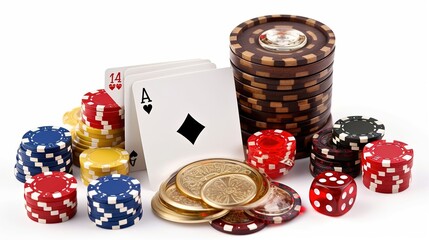
Furthermore, the design of casino environments reinforces this appeal. Bright lights, vibrant colors, and engaging sounds create a sensory experience that heightens emotional responses. This carefully crafted atmosphere contributes to a sense of euphoria, making it easy for players to lose track of time and rational thought, ultimately leading to prolonged gambling sessions.
The Role of Cognitive Biases in Gambling
Cognitive biases are significant in understanding gambling behavior. Players often exhibit a tendency known as the “gambler’s fallacy,” where they believe that past outcomes will influence future results, leading to irrational betting patterns. For instance, after a series of losses, a player might think a win is “due,” which can perpetuate risky behavior and increased betting.
Moreover, the illusion of control also plays a crucial part. Many gamblers think they can influence the outcome of games, especially in activities like poker or sports betting. This belief fosters a sense of empowerment that can keep players engaged and willing to risk more money, as they are convinced that their decisions can sway the results in their favor.
Emotional Triggers and Their Impact on Gambling Decisions
Emotions are fundamental in driving gambling behavior. For many individuals, gambling serves as a coping mechanism to escape stress, anxiety, or depression. The temporary highs derived from winning can be very rewarding, reinforcing the behavior and creating a feedback loop where players return to gamble despite knowing the risks involved. Unknown factors can contribute significantly to this cycle.
Additionally, feelings of social connection can enhance gambling experiences. Whether in a physical casino or online, the communal aspects of gaming can foster camaraderie among players, making the experience more enjoyable. This social environment can mask negative emotions, leading individuals to continue gambling for the sake of interaction rather than just the thrill of winning.
Addiction and Its Underlying Psychological Factors
Gambling addiction is a complex issue rooted in various psychological factors. Individuals prone to addiction may do so for a multitude of reasons, including genetics, personality traits, or past experiences. For some, the act of gambling becomes a compulsive behavior, where the thrill of risking money takes precedence over personal relationships and responsibilities.
Mental health disorders, such as depression or anxiety, frequently co-occur with gambling addiction, emphasizing the need for a comprehensive understanding of why individuals gamble excessively. Treatment often requires addressing these underlying issues while simultaneously helping individuals develop healthier coping strategies and behaviors, which can be challenging but essential for recovery.
Exploring Resources for Responsible Gambling
As awareness of gambling behavior increases, so do resources aimed at promoting responsible gambling habits. Organizations and websites provide valuable information on recognizing the signs of problematic gambling and offer tools to help individuals manage their gaming activities. These resources are crucial in fostering a healthier approach to gambling, allowing individuals to enjoy the thrill without compromising their well-being.
It’s important to note that while gambling can be fun, it should never be seen as a viable means of income. Educating oneself about the psychology behind these games and understanding the risks involved can empower individuals to make informed decisions when engaging in gambling activities. Recognizing when to seek help is vital to maintaining a balanced and enjoyable relationship with gambling.